
 Craniosacral Therapy is an extremely gentle hands-on therapy. It developed as an offshoot of Osteopathy and shares the understanding that if the form of the body is compromised, then the body’s function will also be compromised. Craniosacral Therapy works with areas of the body which have become compressed, strained or stuck in some way. The function of those areas of the body are affected because of reduction in the flow of body fluids through them. Nerve supply, muscular function and bone shape may also be affected.
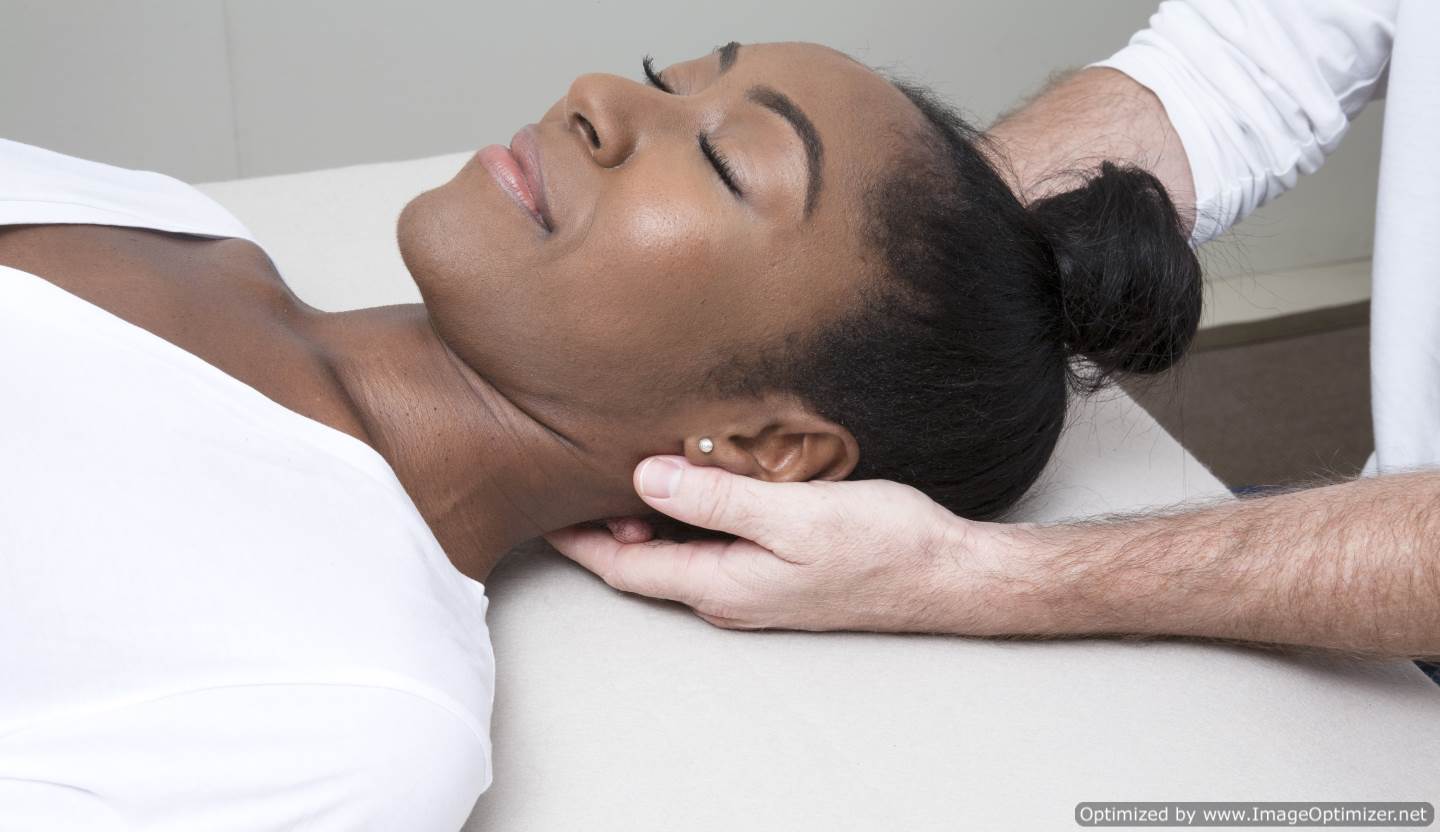
The treatment takes place with the client fully clothed, usually on a treatment couch. The practitioner may gently hold the head, the bottom of the spine, the feet and parts of the body which need attention. Treatments are usually felt to be extremely relaxing as tensions and stresses are released from the body. Where past trauma has been involved even more care is taken.
Biodynamic approach
In the Biodynamic approach, the practitioner appreciates that the person’s own body knows both how it arrived at the state it is in and it also knows how best to progress from there to better health. The practitioner facilitates the therapeutic process by becoming a skilled active listener who brings all their knowledge of anatomy, physiology and life processes to the treatment but they defer to the greater intelligence being expressed in the person’s own body as it self-heals.
Personal experience
My own discovery of this approach was when I noticed that the less interventionist I was in treatments, the more actually seemed to happen. With a friend, in 1997 I decided to take this approach to the limit and to see what would happen if I brought all my skill and knowledge to a treatment, but did not actually “do” anything. To my astonishment, the treatment unfolded in front of me without me having to actively apply any corrective techniques other than to pay non-interventionist attention to the process.
Biodynamic Craniosacral Therapy has the concept of the “inherent treatment plan” and this is what I was experiencing for the first time. The body has its own inherent intelligence and is capable of self-healing. It knows what is required and it knows the optimal order in which to address the challenges that the body is experiencing. The practitioner aims to facilitate the best environment in which this intelligence can operate.
However, about three-quarters of the way through this friend’s treatment there came a point when it became quite clear that I should now actively engage with the particular process which was unfolding which was relational in nature.
Intervention
There are times when the practitioner’s own skills and knowledge are actively required. There are times when the client’s body needs to communicate with another person or needs to engage with an external resistance or spaciousness. It is at this point that the therapeutic skills of the therapist are brought in, to work collaboratively with the person’s own innate intelligence.
What conditions can it help
Many conditions may be successfully treated with Craniosacral Therapy as it works with bones, the nervous system, the internal organs, the muscles and connective tissue. The mental and emotional aspects of our lives cannot be separated from our physical bodies and so working at the level of the body can allow long held emotional and mental states to ease.
Because it uses very gentle touch, it is able to be applied where other more direct interventions are too invasive. With babies for example, where it is particularly appropriate in helping resolve the effects associated with a difficult birth or the constraining forces experienced in late pregnancy.
Frequently Asked Questions
If your question is not covered here, do contact me through my booking page.
Is this therapy is going to be useful for me?
Things that might help you decide:
- read the information on this site
- find out if friends have had this therapy and see what their experience was
- phone or email me for more information
- book in for just one session and try it out/check me out. If this therapy or the way I work does not suit you, I am very happy to refer you to another practitioner or some other therapy.
How safe is Craniosacral Therapy for my baby?
Babies are very sensitive to touch and the light touch in Craniosacral Therapy is very safe for babies. Babies responds well to non-directive, non-analytical and non-invasive touch.
How many treatments will I need?
The usual answer to this is that the longer one has had a condition, generally the longer it takes to clear. An equally sweeping generalisation, might be:
- babies and children – between 2 and 6
- adults – between 4 and 20
These figures are provided only as a very general guideline as each person is a unique individual with a completely different health history and varying levels of vitality. And occasionally, a single treatment is all that is required.
What frequency of treatments is best?
Weekly is best for most people, as that allows time to integrate the work from one treatment and keep a level of continuity of treatment which our bodies appreciate. Again this is not a hard and fast rule. Some people come to see me fortnightly and others only occasionally.
Is there an age limit?
Definitely not. I have worked very successfully with babies a few hours old to people in their eighties. In fact, because the treatment is so gentle, it is a good form of therapy for people at both ends of the age spectrum.
What are the contra-indications for cranial work?
Very few if the practitioner is following the needs of the client’s body. The main concerns are where there has been a recent fracture or a current injury, particularly to the head; where there is a tendency to internal bleeding especially in the head and brain; when there is very high blood pressure or increased fluid pressure in the head. There are certain techniques that are avoided during the first three months of pregnancy. In general, it is important to check this out with your practitioner.
Is it head massage?
No,the therapist places their hands lightly on different parts of the body, but mostly the feet, the back and head.
What happens in a treatment?
First we will discuss what your wishes are for the treatment. I will take your case history. A more complete physical examination may be necessary if you have a structural problem. The main treatment usually takes place with you lying, lightly (but fully) clothed on a treatment couch. I will make light contact using my hands, mainly on your head, feet, spine and back of your pelvis. Other areas of the body may be contacted depending on the treatment required. I will communicate with you about this as we go along.
What am I likely to feel during a treatment?
This varies. It is very gently work indeed. Most people feel relaxation, an easing of old tensions and pains, a settling in their body, warmth or lightness. Sometimes people feel a short intensification of symptoms prior to their resolution. Sometimes it just seems like you are resting on my hands. Some people feel nothing at all and are unconvinced that anything has happened at the time but then feel the therapeutic effects over the succeeding few days.
What am I likely to feel after a treatment?
Usually people feel relaxed, refreshed and lighter than when they came in. You are likely to experience an ongoing improvement in your condition and energy levels over a course of treatments. The body will continue to process for about 48 hours after a treatment. During this time there may either be more resolution or discomfort followed by ease. I will endeavour to tell you if I expect you to have any particular after effects from any given treatment.
I came in with a headache and you have hardly touched my head?
The body is a highly integrated system and sometimes discomfort experienced in one part of the body may have its origins in another part altogether, strange as this may seem. I will encourage you to be aware of your own body to determine for yourself whether the treatment is making a difference.
What conditions do people come to you with?
A large range. For example in a typical year I see:
People with after effects from accidents, infections and surgery; conditions resulting from stress and trauma; recovery from long-term ill-health; breathing problems; backache and other painful conditions;
Conception difficulties; support in pregnancy;
Infants with a variety of symptoms resulting from difficult births or from being in a difficult position in the womb;
Children after accidents.
So do you have to be ill to benefit?
Not at all. I also see people who are simply trying to improve their health. Throughout life we come into contact with conditions which have taxed our bodies; through stress, accidents, operations, difficult births (either as the child or the mother) or dealing with difficult conditions including social, mental or emotional. Craniosacral treatment can help us reduce the ongoing burden of carrying the resulting physical compensations. These compensations are actively maintained by our bodies and that can take a lot of our vital energy. When this vitality is freed up it is available to us for our present day life.
How does it work?
The therapist endeavours to provide the conditions to support the body to marshal its own recuperative powers. The therapist gives attention to the inherent movements of life that continuously express in the body. This also highlights areas where that movement is more restrained. This highlighting encourages the body to engage its self-healing mechanisms. This movement is called the Cranial Rhythmic Impulse (CRI) and is described in the craniosacral history section.
Is there any proof of this?
Some of the research which is available on-line is described in the cranial research section.
Where does Craniosacral Therapy come from?
Dr William Sutherland was an Osteopath in the USA in the tradition of its originator Dr Andrew Still. Around 1900 he developed Cranial Osteopathy from discoveries about the body’s subtle physiology of the rhythmic motion of the fluid that bathes the brain and spinal cord and the overall rhythmic motion of bones and organs in the body. Craniosacral Therapy was developed as a separate discipline outside the Osteopathic profession by Dr John Upledger in the 1970s.
What is the difference between Craniosacral Therapy and Biodynamic Craniosacral Therapy?
Very broadly speaking, it is the difference between “the therapist evaluating what needs to change in the client and making those changes” and “the therapist listening deeply to the clients body, appreciating its inherent ability to make the required changes itself and facilitating a therapeutic environment which helps those changes to take place”.
What is the difference between a Craniosacral Therapist and a Cranial Osteopath?
Both work with what has been called the “cranial concept”. A Craniosacral Therapist belonging to the CranioSacral Therapy Association has had a minimum of one year’s training specifically in cranial work. A Cranial Osteopath has had an Osteopathic training with some additional training in the cranial approach. It is a good idea to ask your practitioner about what training they have had and what professional body they belong to.
How long does a treatment take?
A typical treatment takes an hour. This includes time for greetings, initial information exchange and farewells.
Is this always sufficient time?
An hour is sufficient for most people, most of the time, but everyone’s pacing is different. Longer treatment times can be arranged and some people prefer an hour and a half or even two hours. Those who opt for longer treatments find the additional time can provide a valuable added spaciousness to the treatments.
For contact information and to book a treatment, see my booking page.